Gallery · 2020
Barrier Drawings- FLOAT Residency
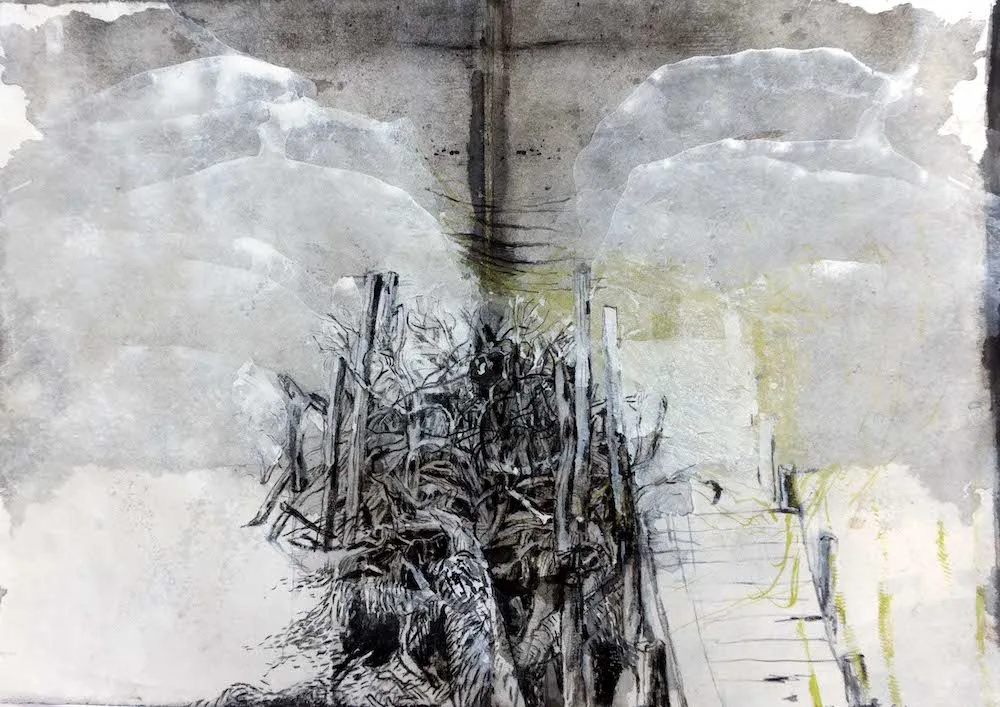
Barrier Drawings, Lake Tyers
Barrier Drawings, Lake Tyers
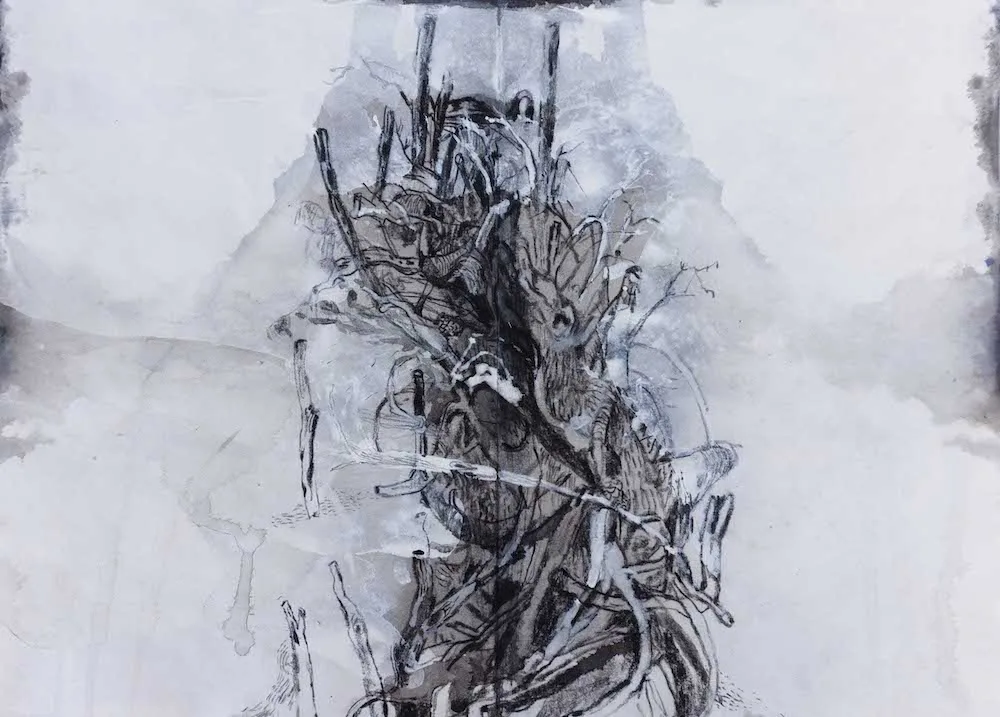
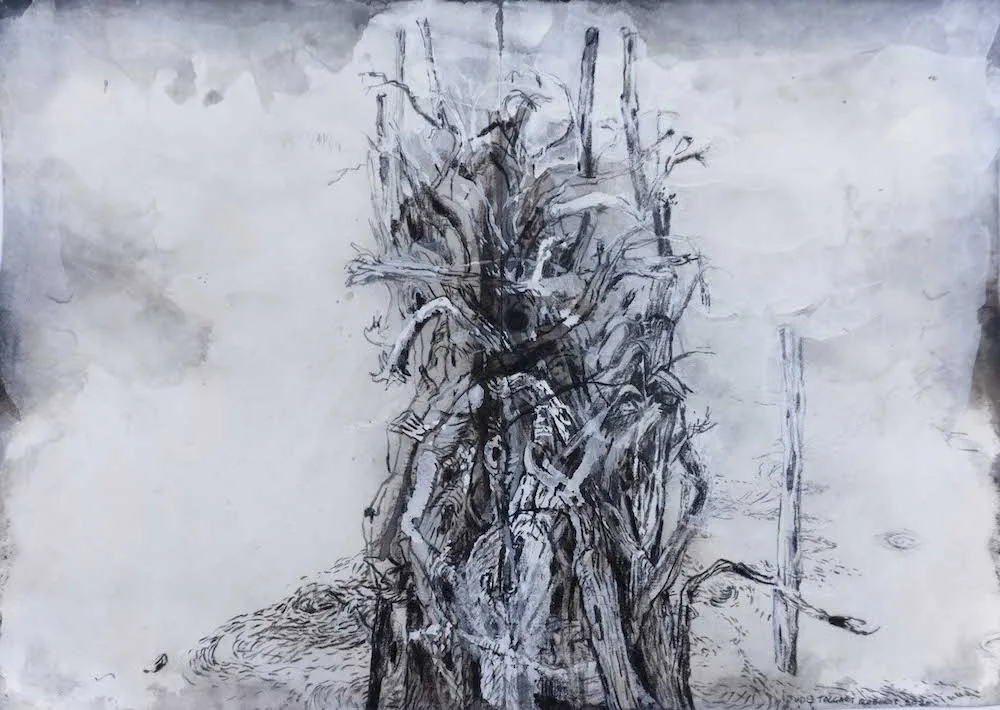
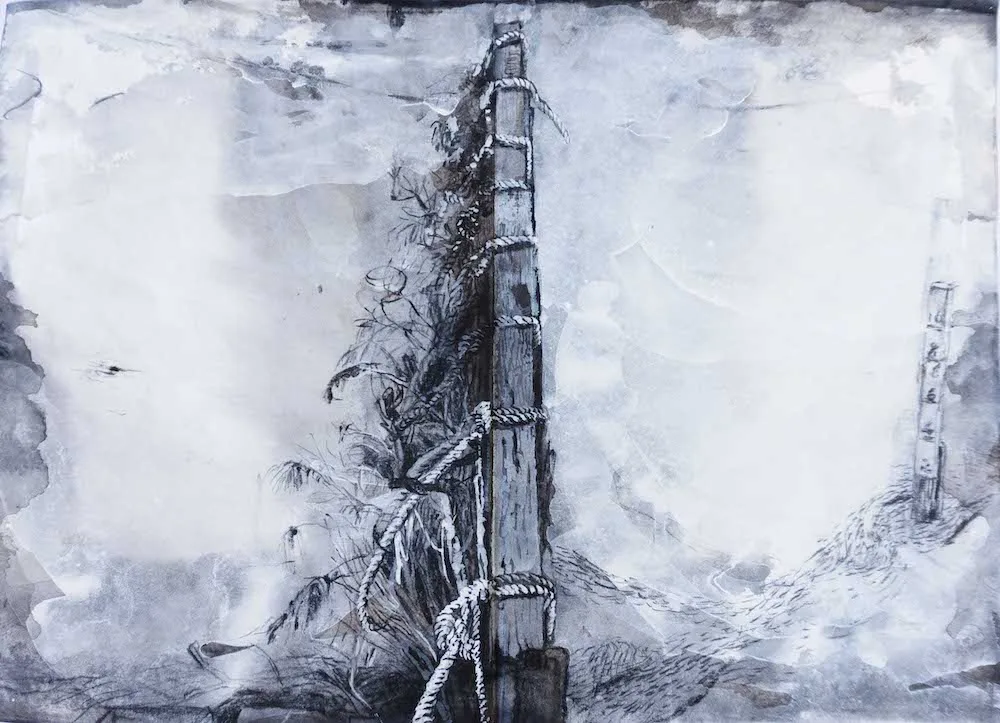
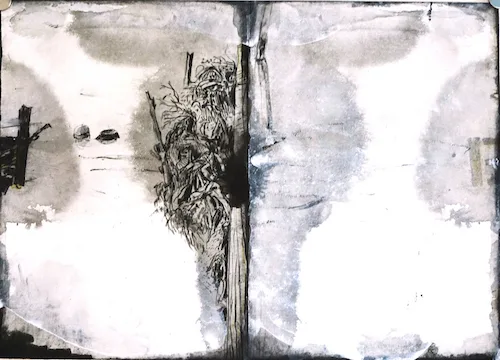
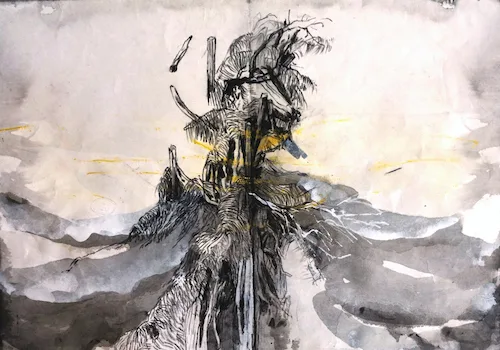
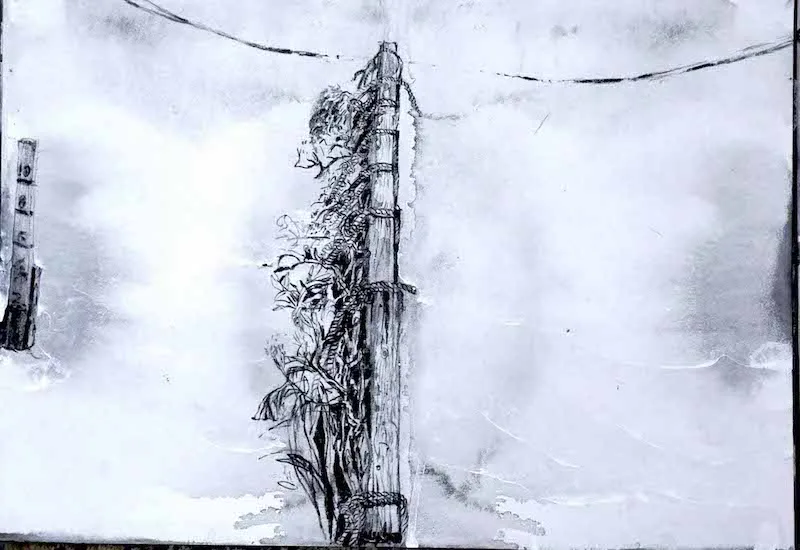
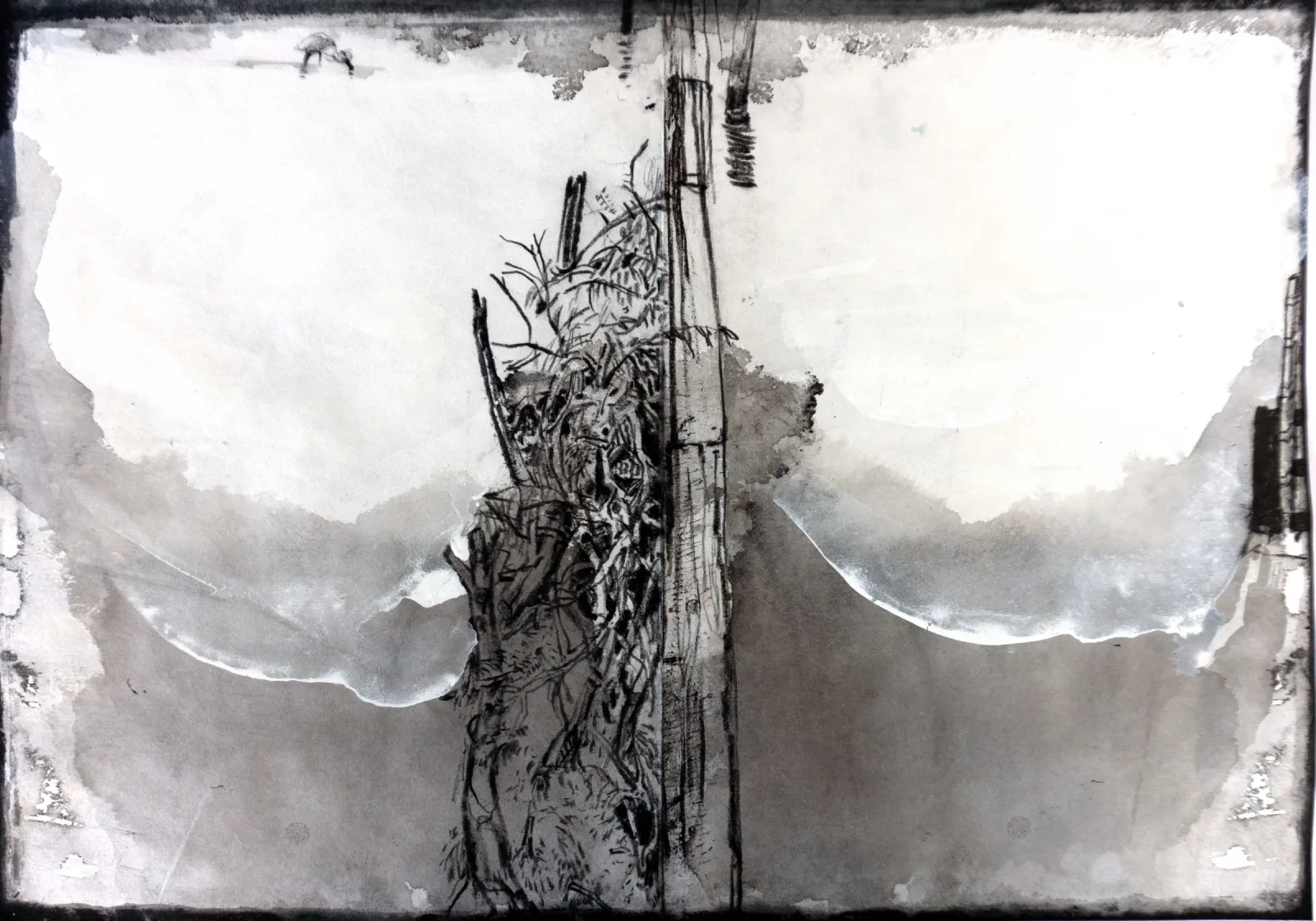
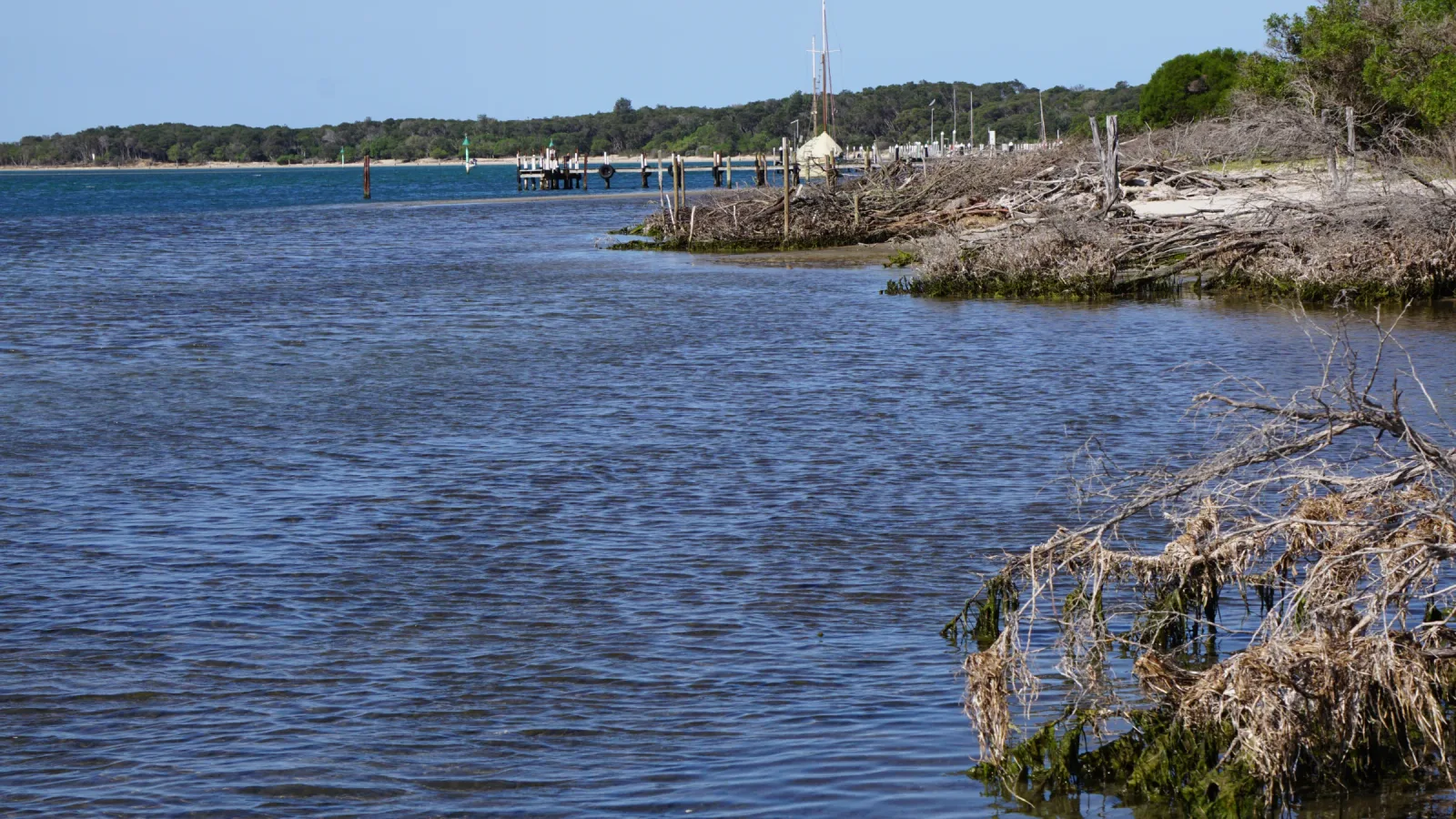
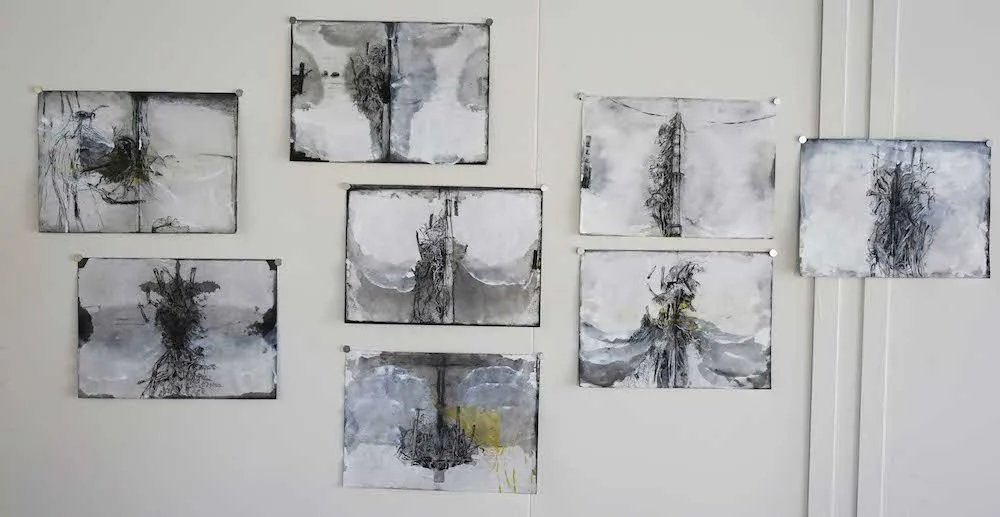
The charcoal and ink drawings were created during the FLOAT residency at East Gippsland. Fortunately I had the opportunity to stay at the Barrier, Lakes Entrance for the first week and to meet local people who were instrumental to the creation of the brush groynes. Built out from the shoreline, the groynes counteract erosion of sand by interrupting the wave action and allowing sand to build up along the beach. This has been an ongoing environmental problem since the artificial entrance was engineered some 130 years ago. Within a year of the opening, a formation of a looped sand bar outside the entrance developed. Sand washed in by the tidal flow caused problems of shoaling (shallow water) in the main channel.
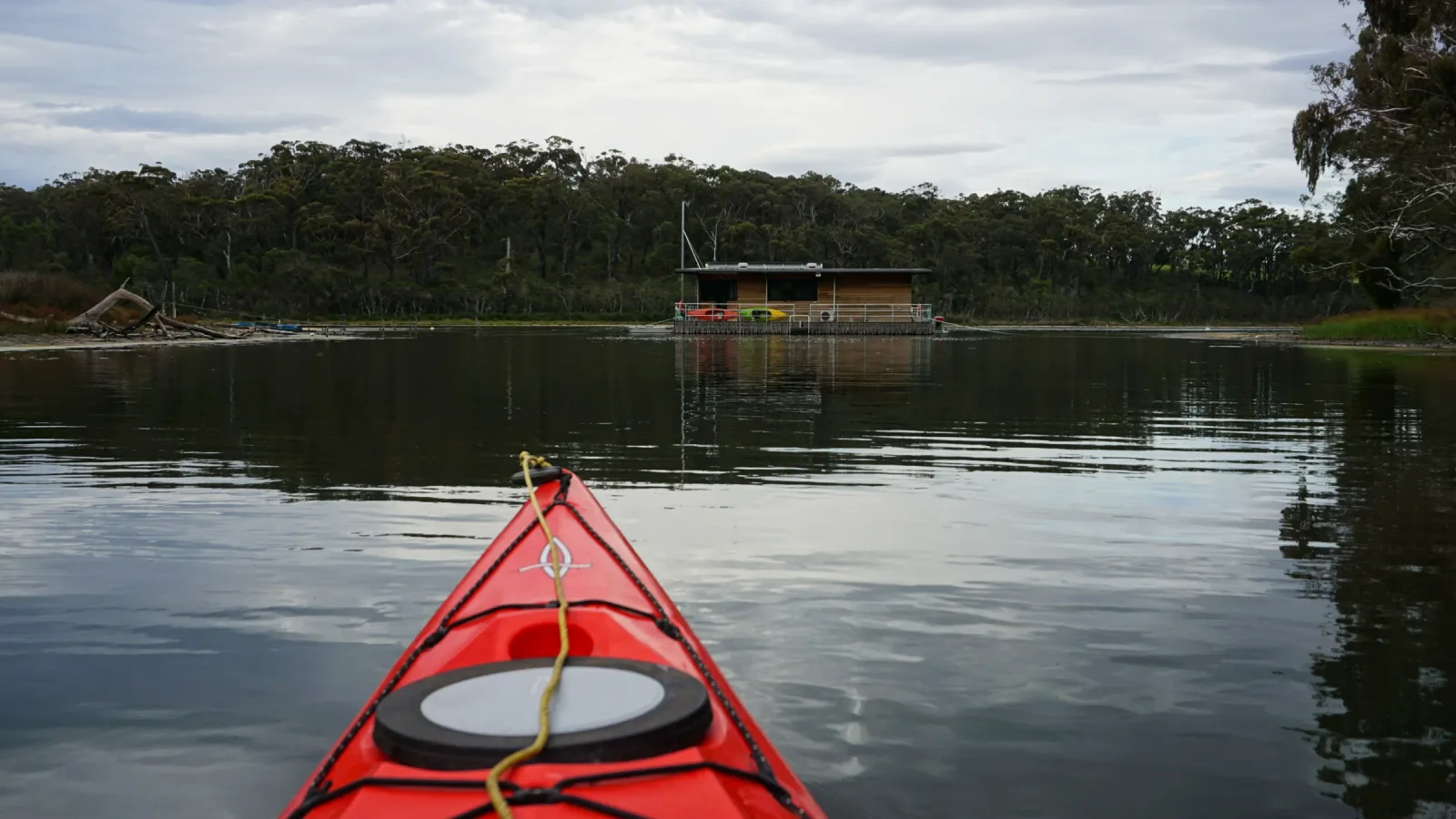
Further along the shoreline is Bung Yarnda, Lake Tyers where the FLOAT studio is situated. While on the residency I read a story researched and told by Wayne Thorpe, The Story of Bung Yarnda aka Lake Tyers Why the Sand Bar needs to open naturally (2016). Thorpe, an Indigenous storyteller and Traditional Custodian uses allegory to tell the oral history of how the fresh water and salt water mingle to bring together the abundance of fish during the natural cycles of the seasons. I couldn’t help but imagine the powerful movement of sands during storms to break the barrier that normally separates the two zones and then the gradual closing again for the next cycle.
Acknowledging the GunaiKurnai as the Traditional Custodians of the land and waters of Bung Yarnda.
Jude Taggart Roberts, 2020
FLOAT ResidencyClick any work to enlarge it.
Acknowledging the Aboriginal and Torres Strait Islander Peoples as the Traditional Custodians of the land and waters where I work and live and pay respects to the Elders past present and emerging.