Gallery · 2015
Drawing the Artesian: Extracting Methods to Visualise Unseen Landscapes
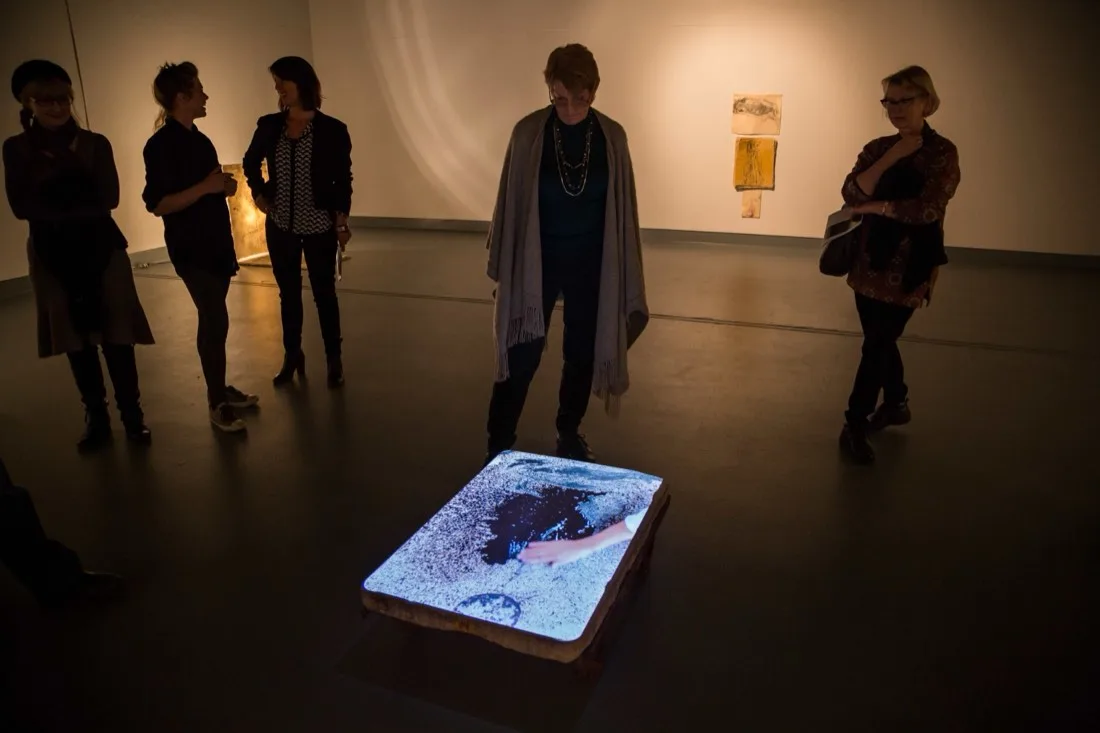
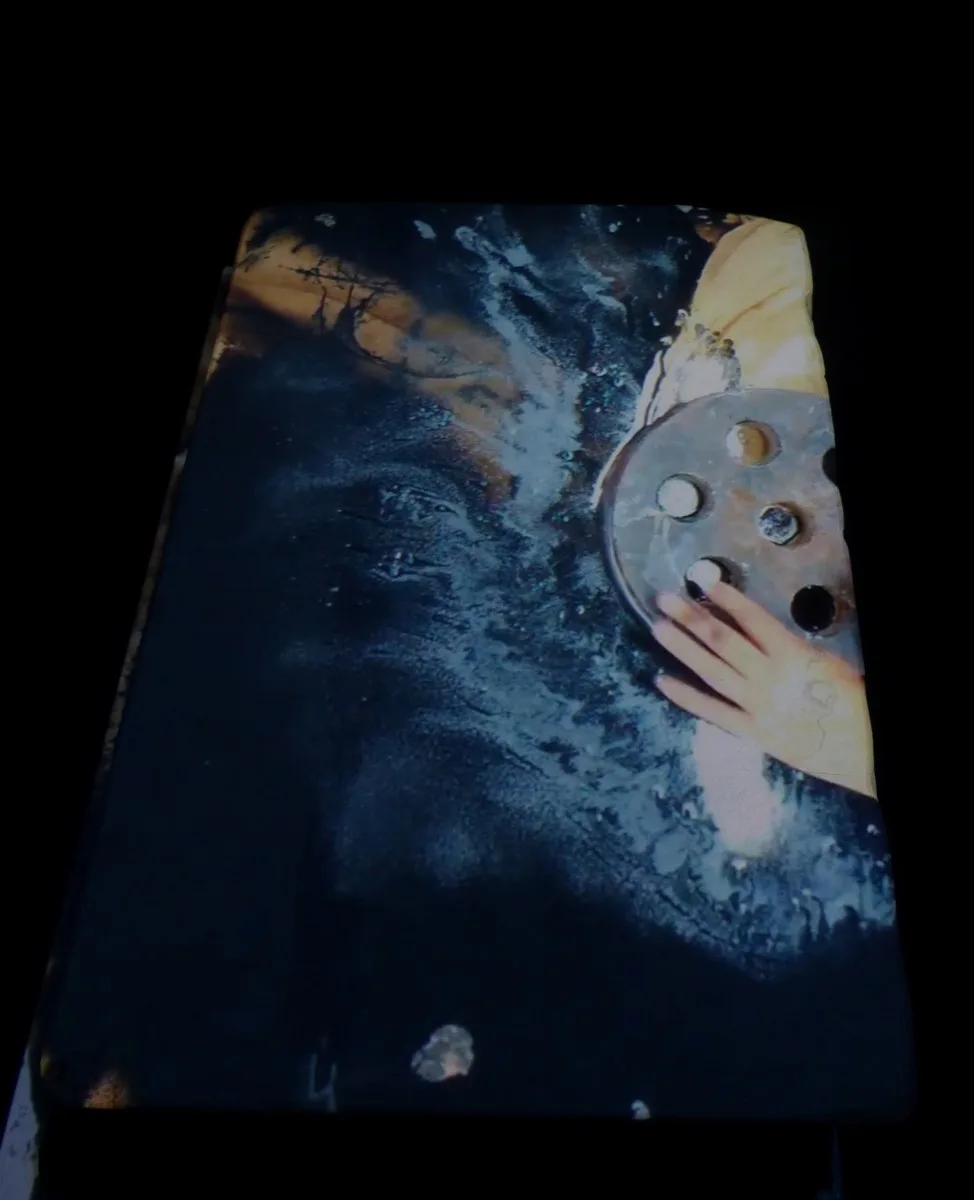
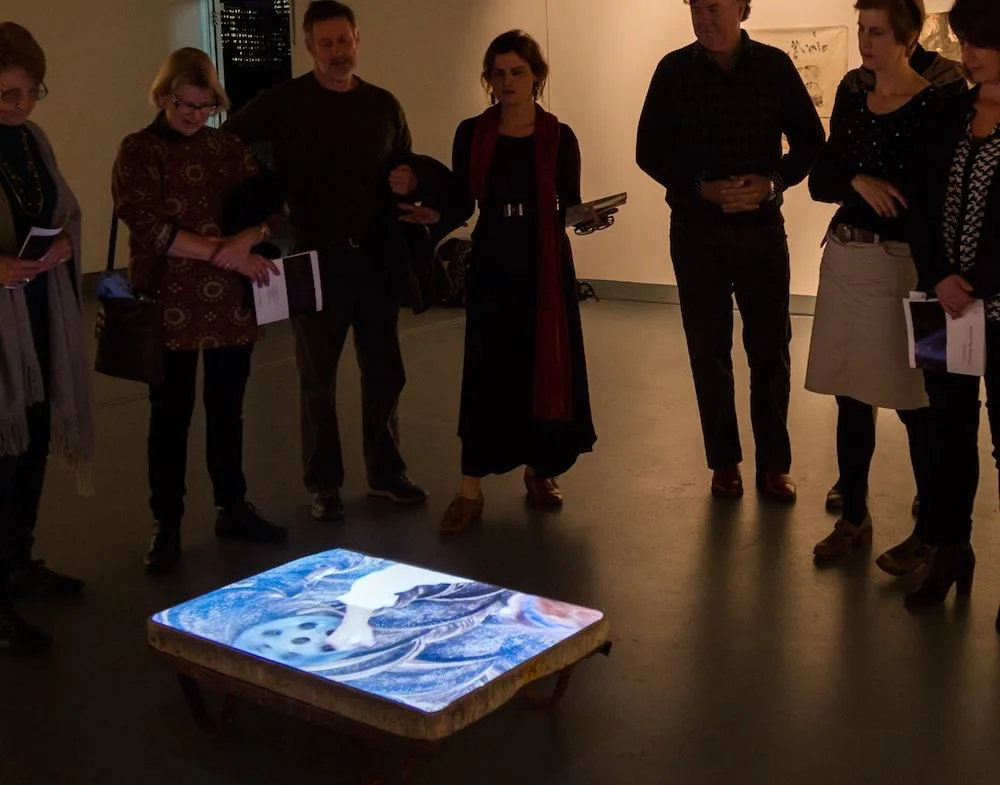
Video work Image credit Miriam_Deprez
Video work Image credit Miriam_Deprez
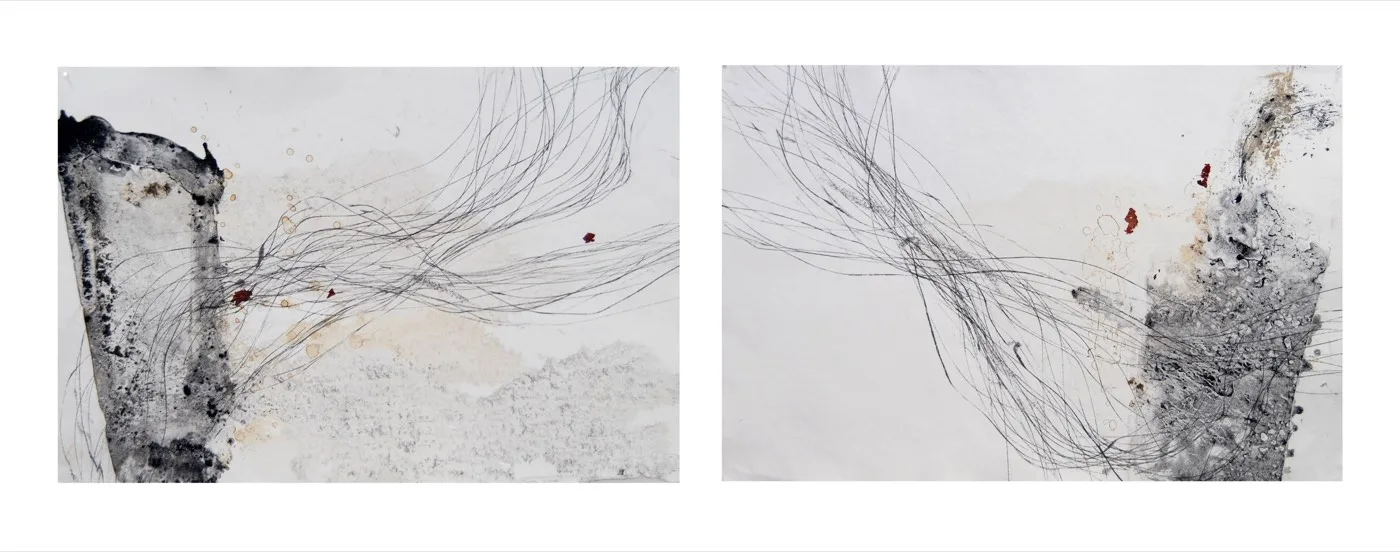
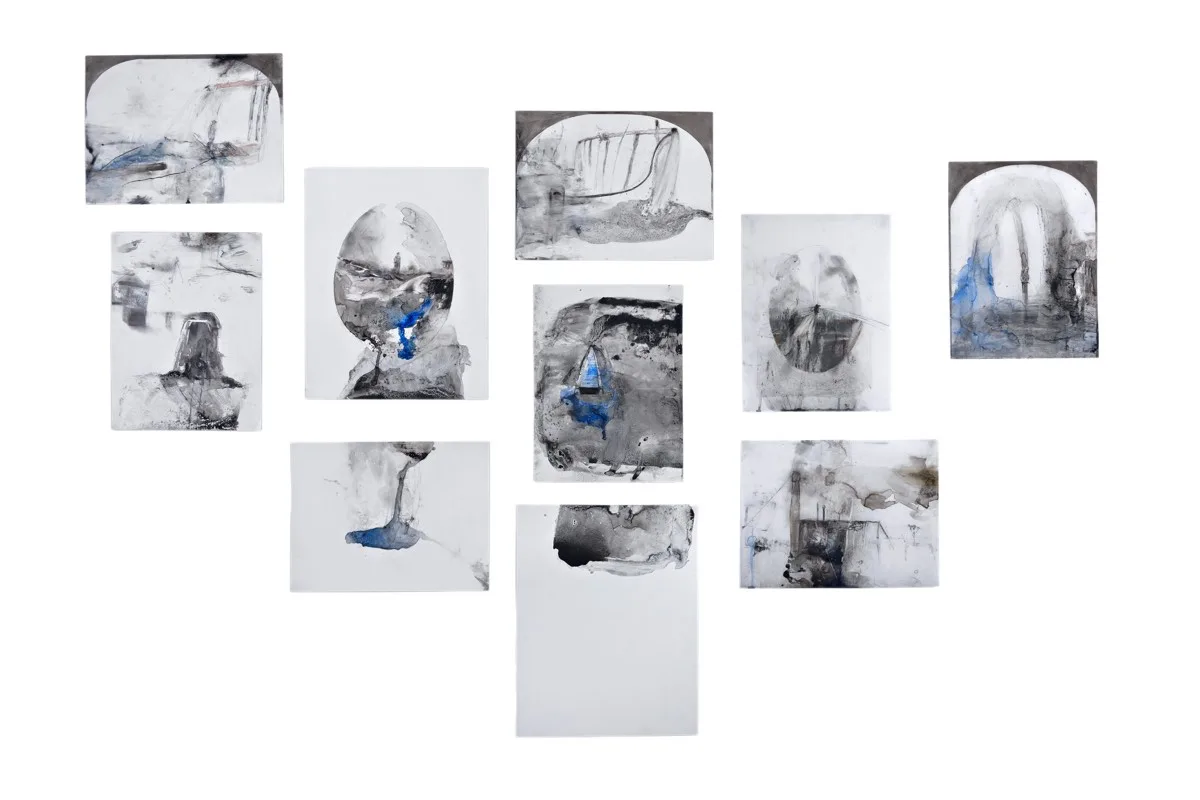
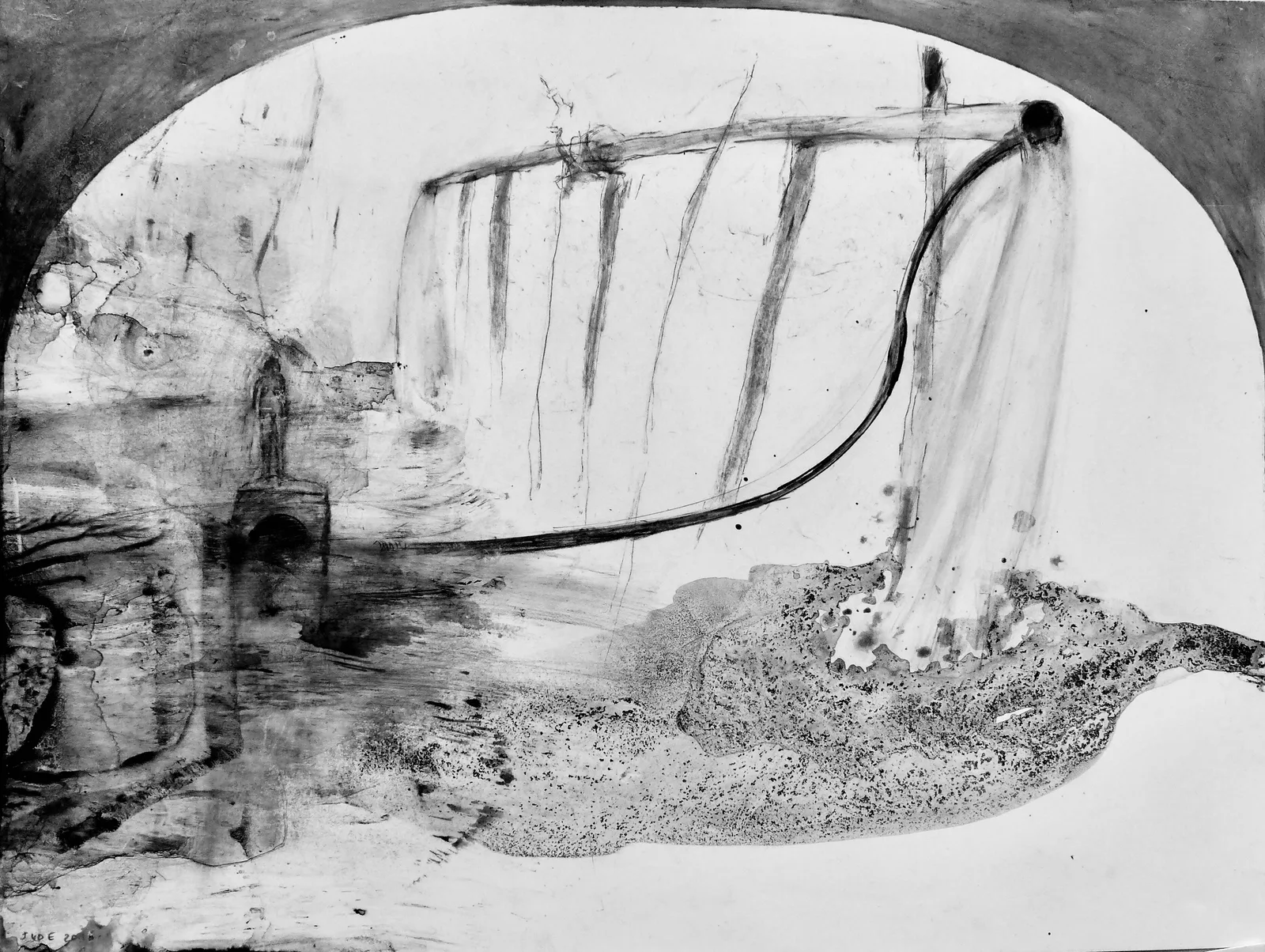
My research practice has sought to deploy various drawing strategies and print processes to uncover something of the land/water interactive systems that we cannot visibly experience.
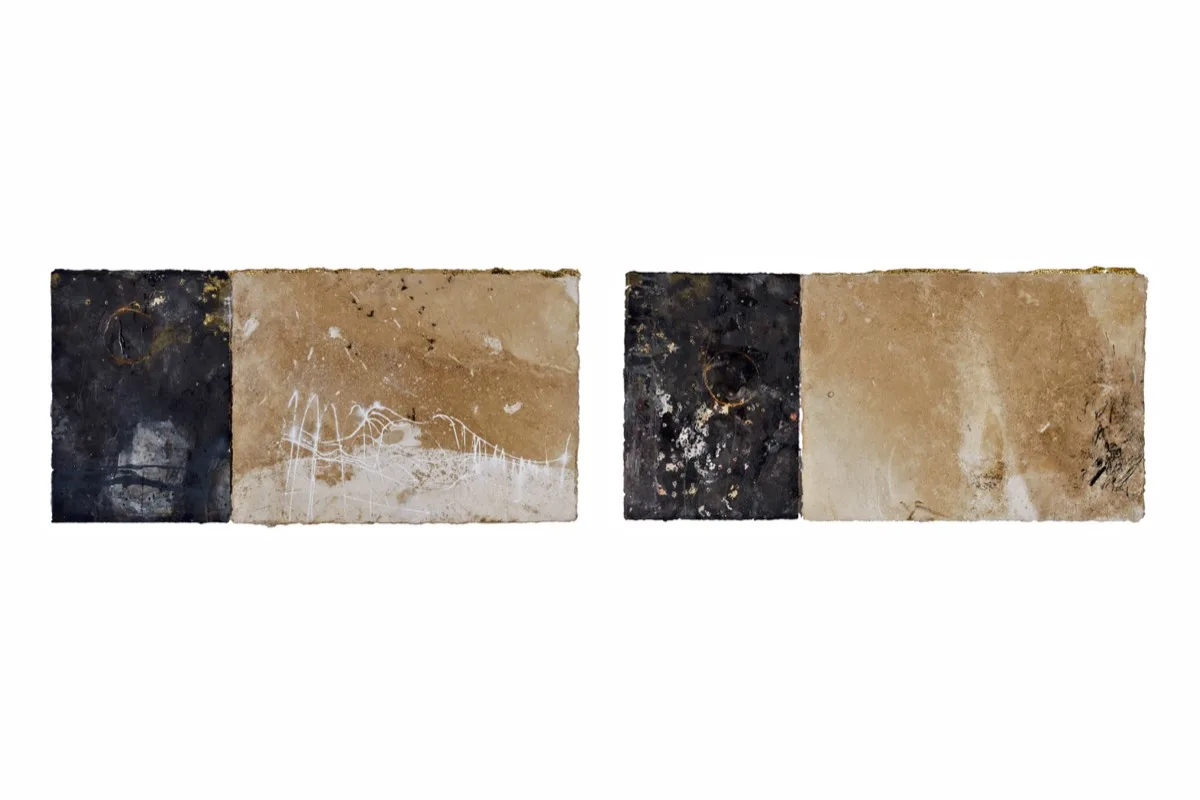
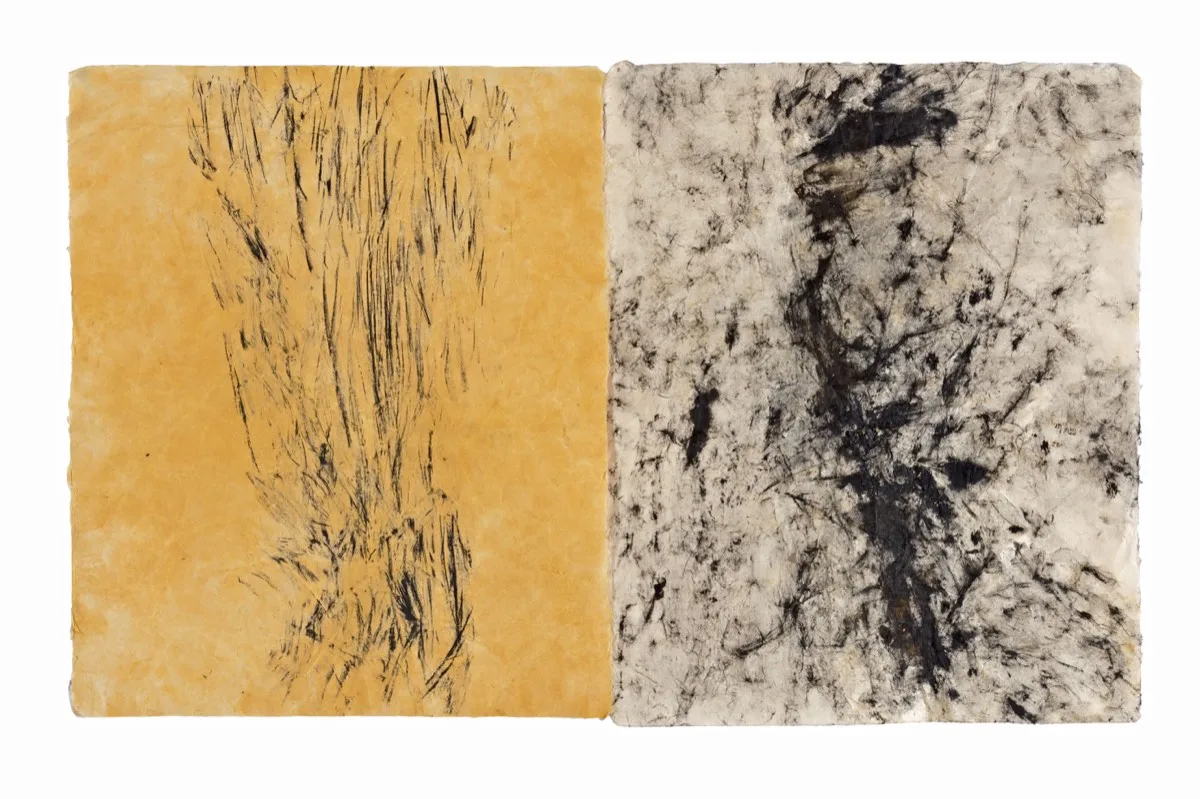
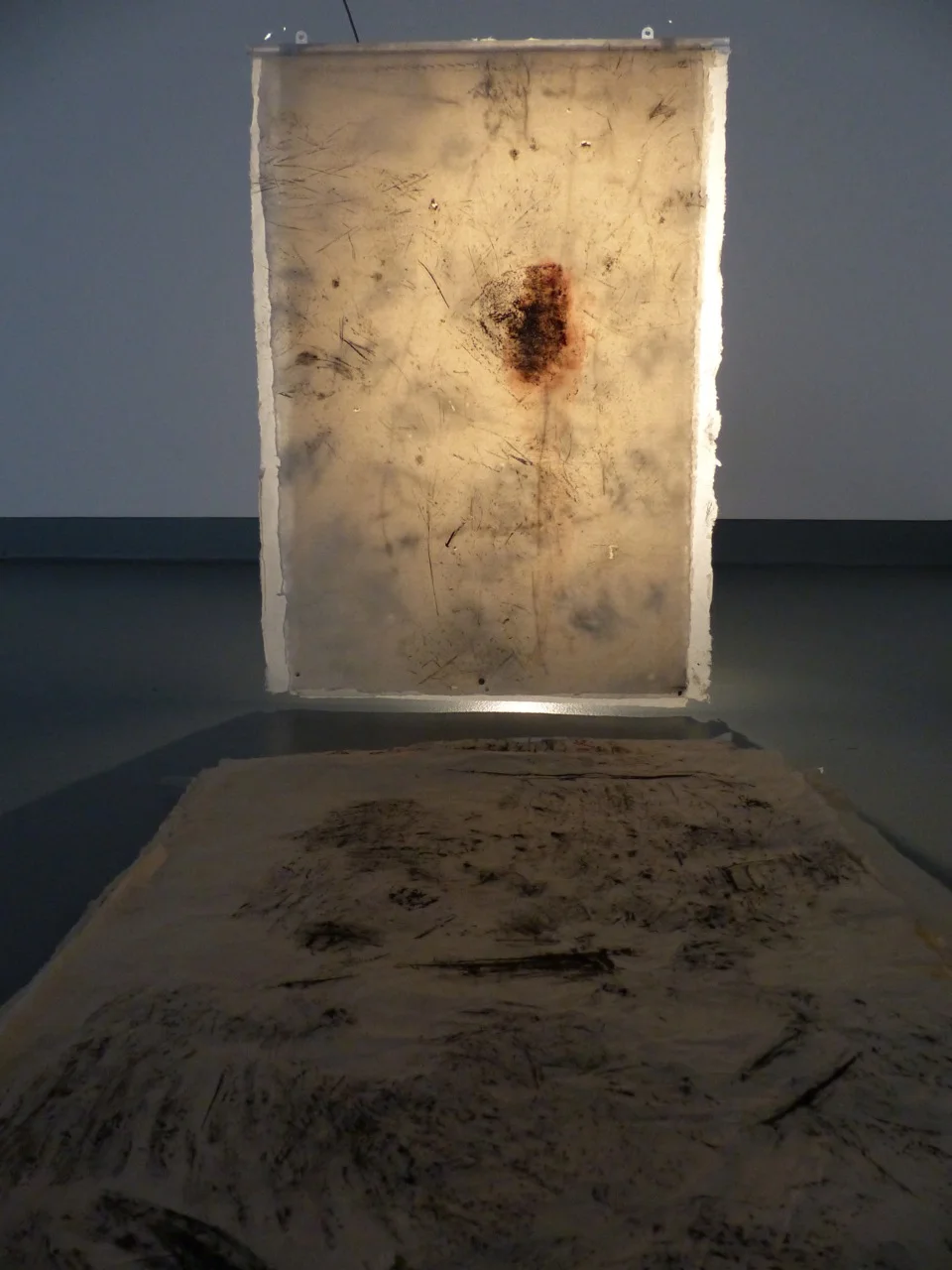
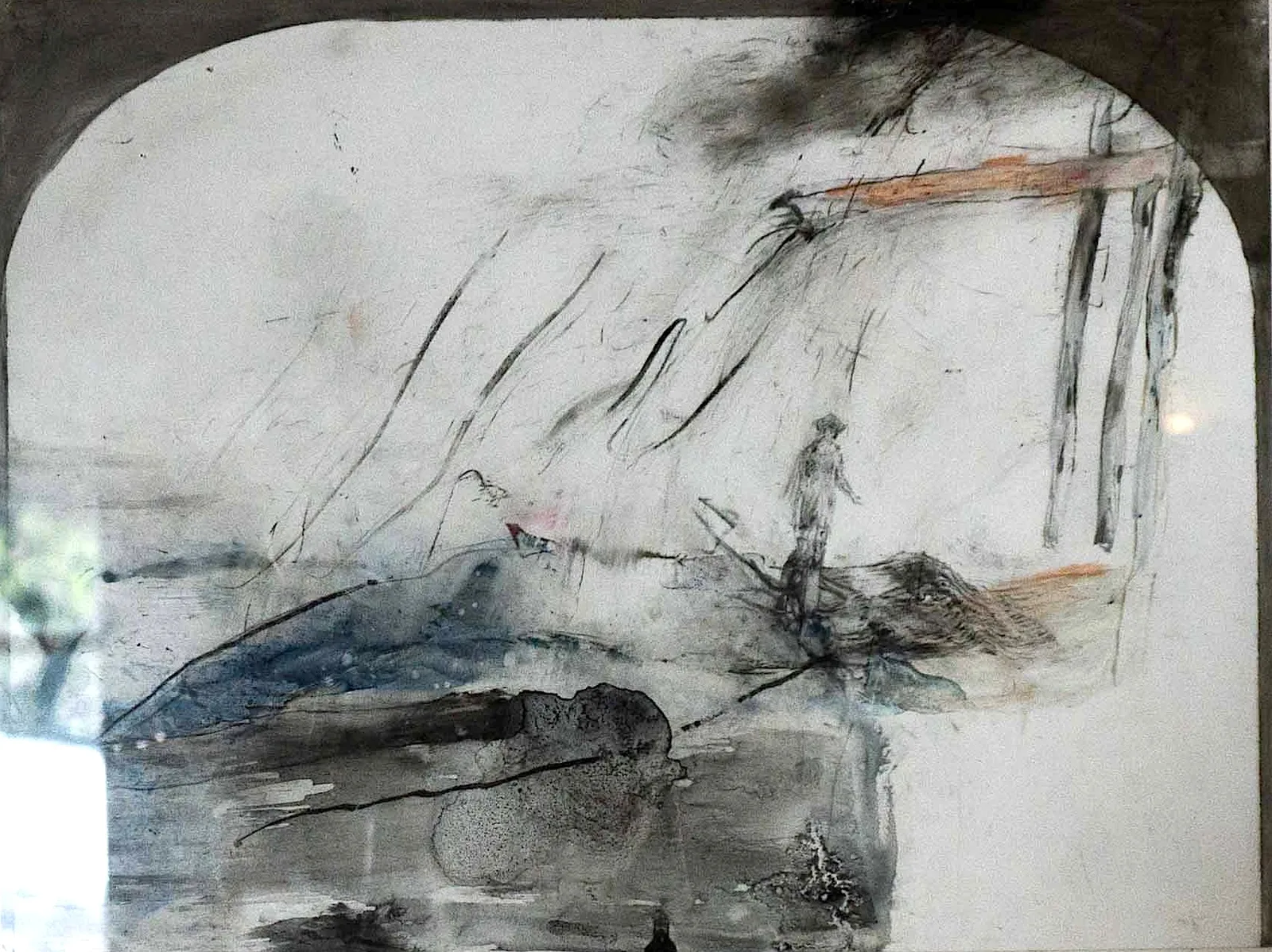
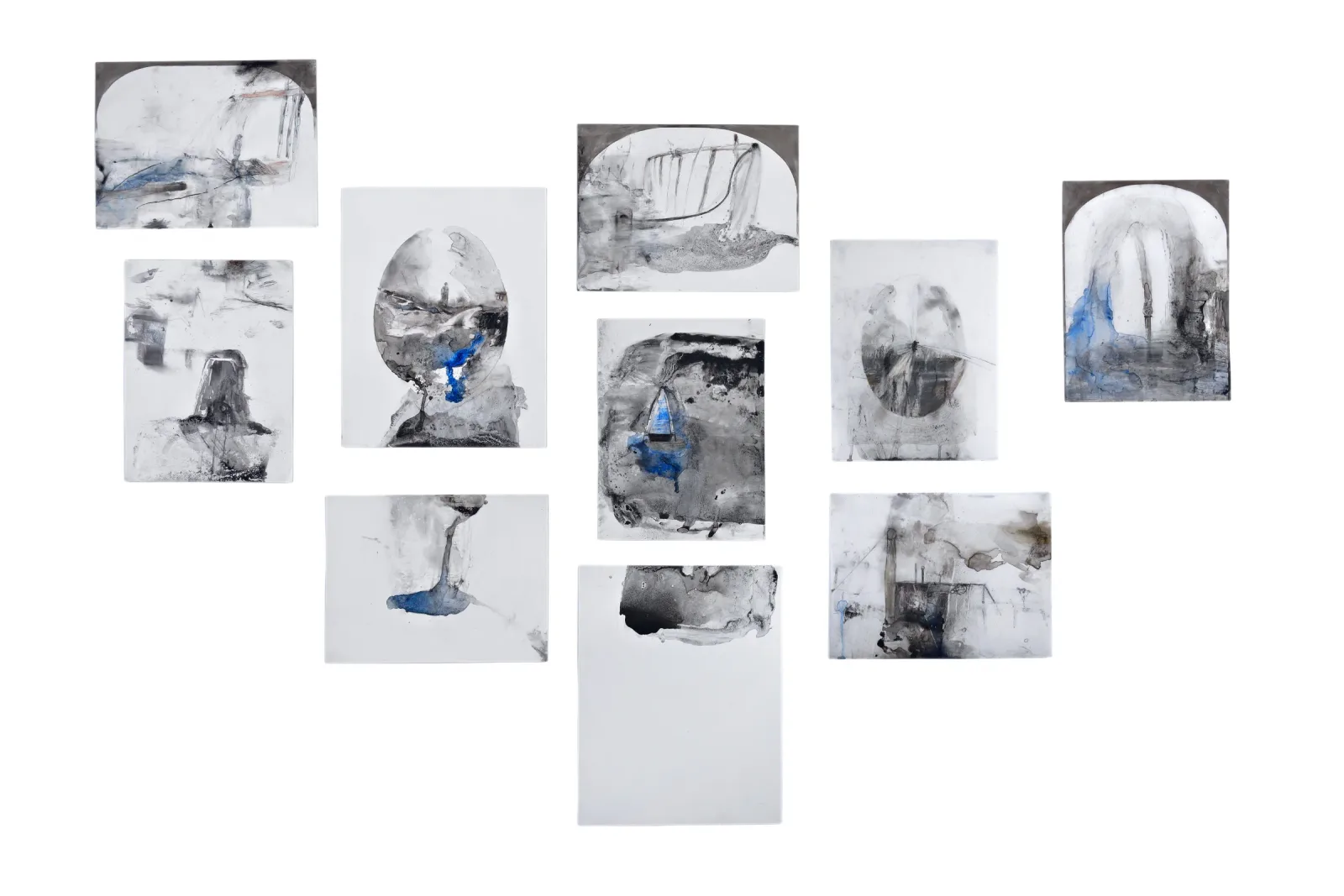
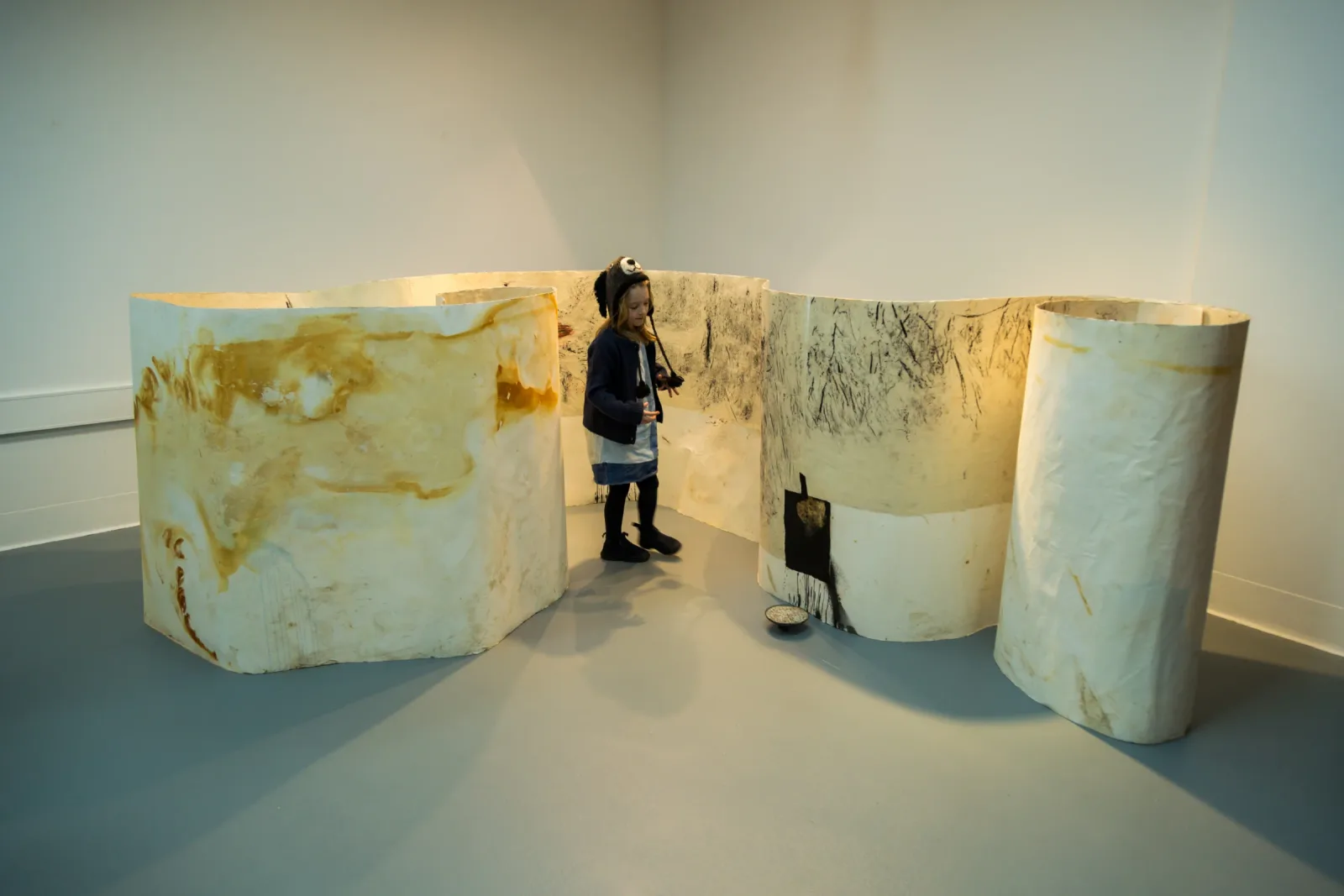
Drawing the artesian is a body of work that examines new ways to engage with, perceive, and imagine the groundwater basins that lie below the Nebine, Wallam and Maranoa watersheds including the Great Artesian Basin. By their very nature, groundwater systems are challenging to visualise, often making them difficult to understand scientifically, yet many settlements would not exist without this water. For thousands of years, the groundwater resource sustained life for Indigenous peoples who still maintain sacred connections to the rivers and springs.
This landscape is familiar to me as I lived for many years on the Wallam Creek catchment, and I return to places on river and creek beds, bore sites and drains, and turkey nest dams. The drawing methods I use incorporate forms of chance, which link ideas to unknown or at least unlooked-for meanings. Collaborating with land, water and other elements is instrumental while mark making on and in areas of inland Australia.
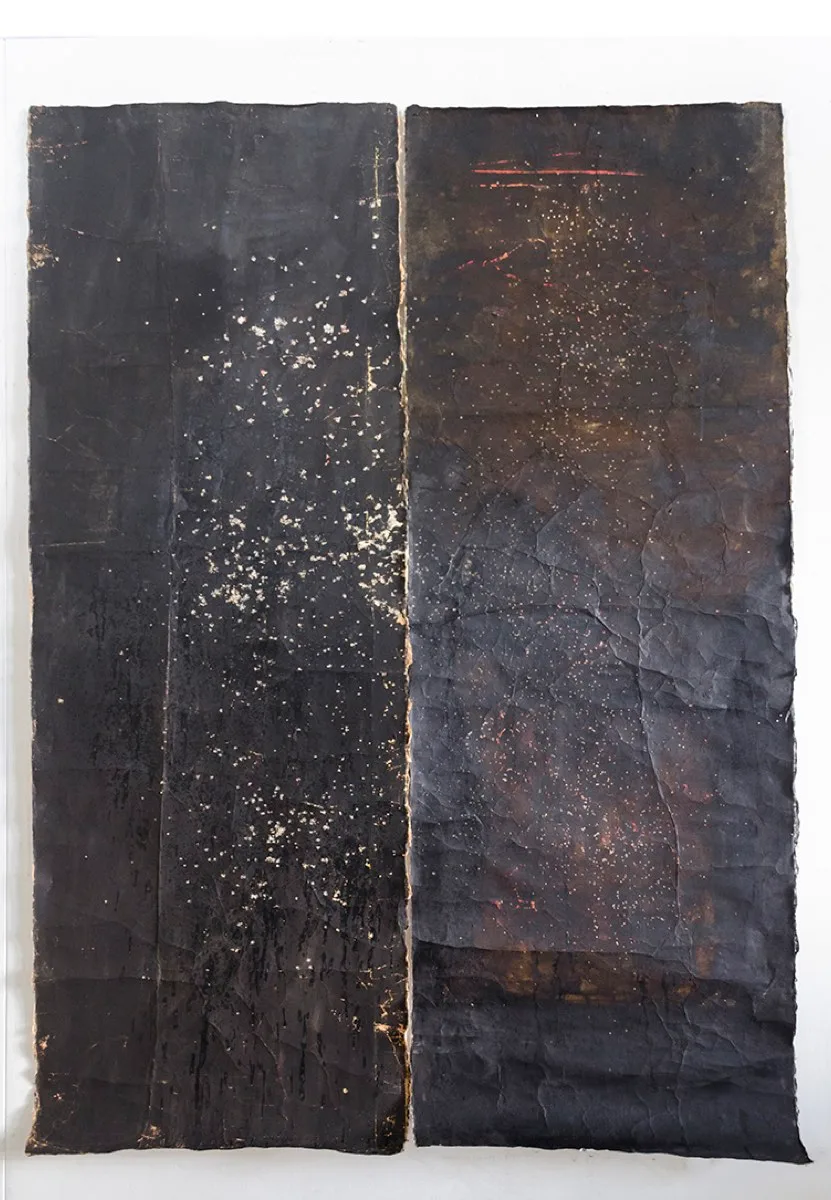
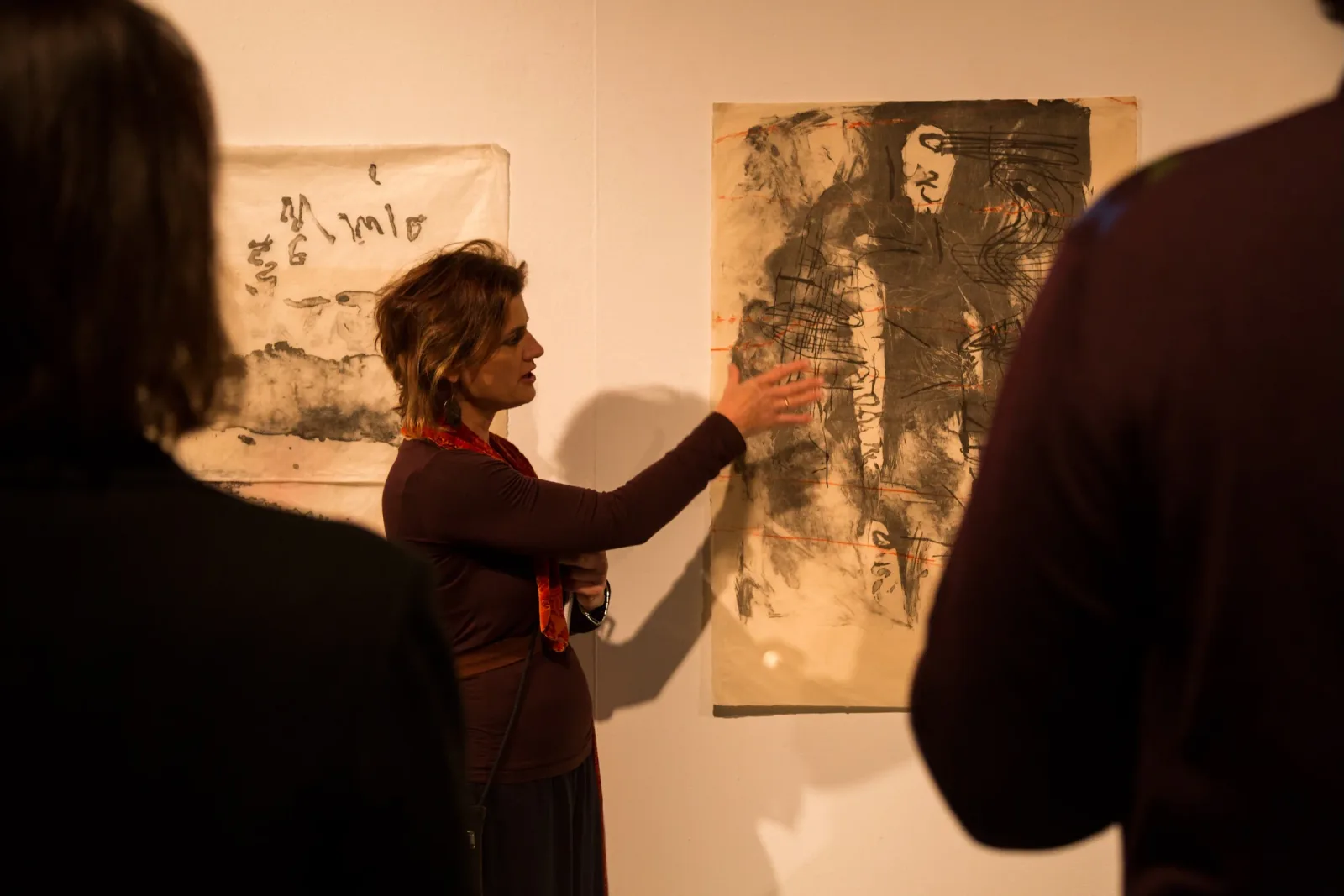
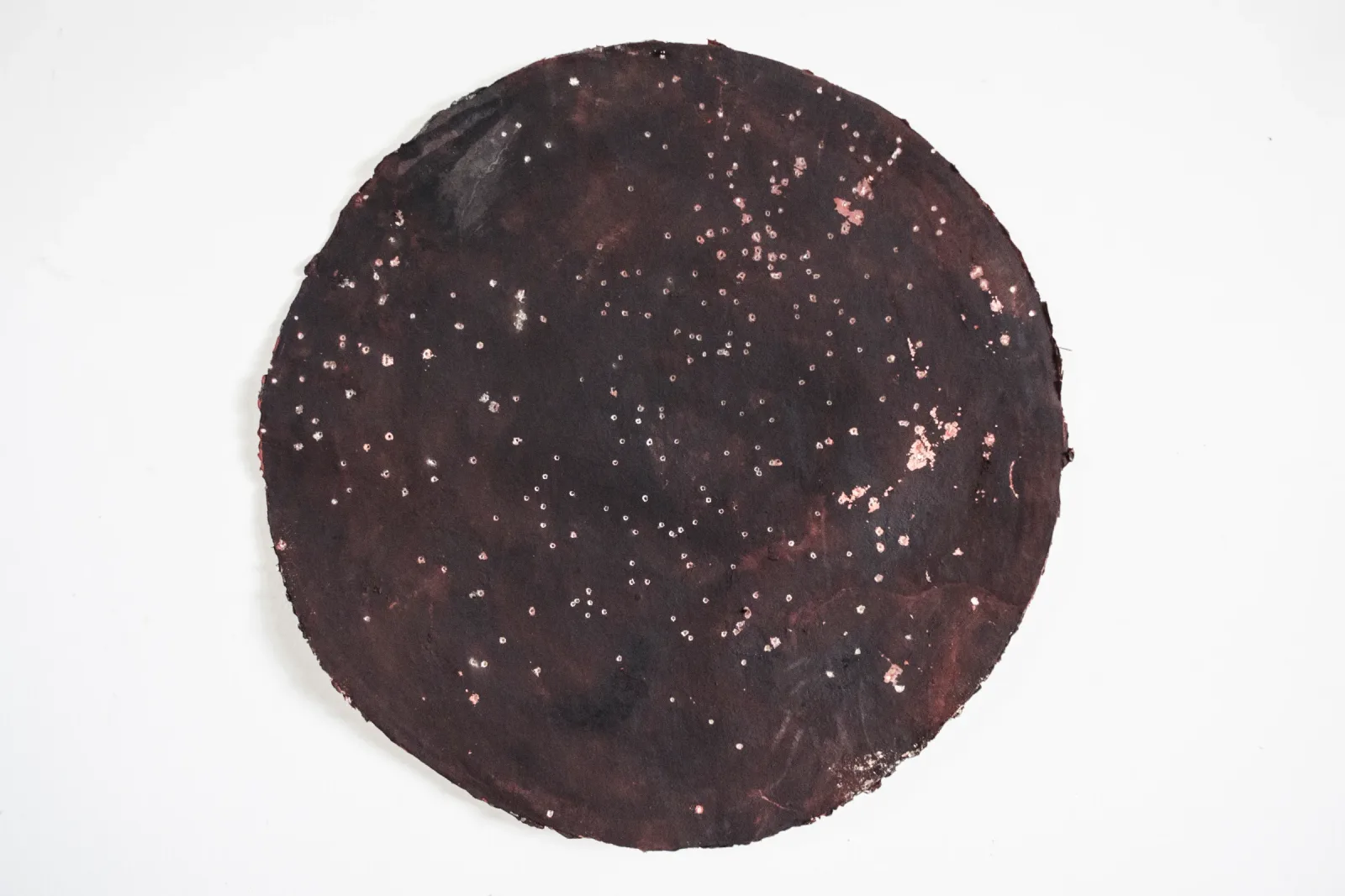
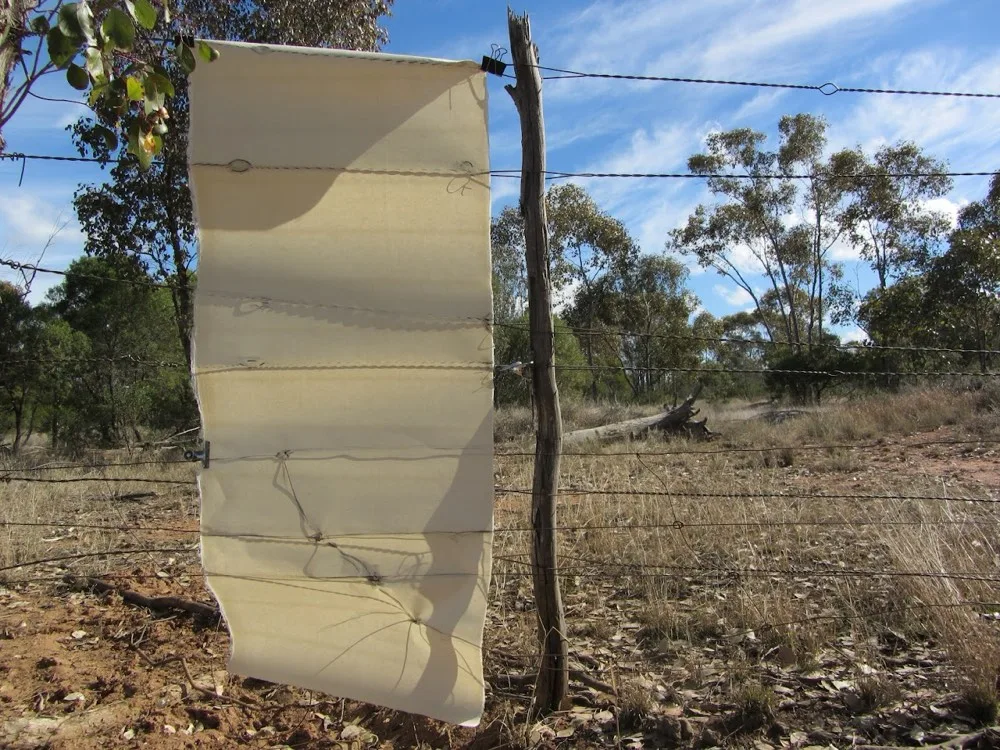
Paper responds immediately to these circumstances. It has a memory of where it was rolled, folded and creased, and so can take on something of the surface it once laid on — flood fences and objects from the pastoral landscape. The hand made Japanese papers have been imprinted on netting fences, tied to rung trees, and placed in various earth and creek beds. With one, I swept it over coals after a controlled burn. Finally I have washed over these impressions with black paint and ink, and shot holes through the surface. Acknowledging the Traditional Custodians of the Land and Waters where the research and drawing was created: Gunggari, Bidjara and Kooma Countries.
Jude Roberts, 2015
View the Drawing the Artesian catalogue hereWhen you feel that landscape is leaning in on you in a way—all the time—always leaning in making claims and it changes your shape.“Tim Winton 2012, http://blogs.abc.net.au/nsw/2012/10/timwinton- speaks-of-new-signs-of-life.html.
Click any work to enlarge it.
.webp)
Acknowledging the Aboriginal and Torres Strait Islander Peoples as the Traditional Custodians of the land and waters where I work and live and pay respects to the Elders past present and emerging.